
Stop public IaaS breaches
AI SOC purpose-built to detect threats, reduce false positives, and give your SOC clarity across multi-cloud chaos.
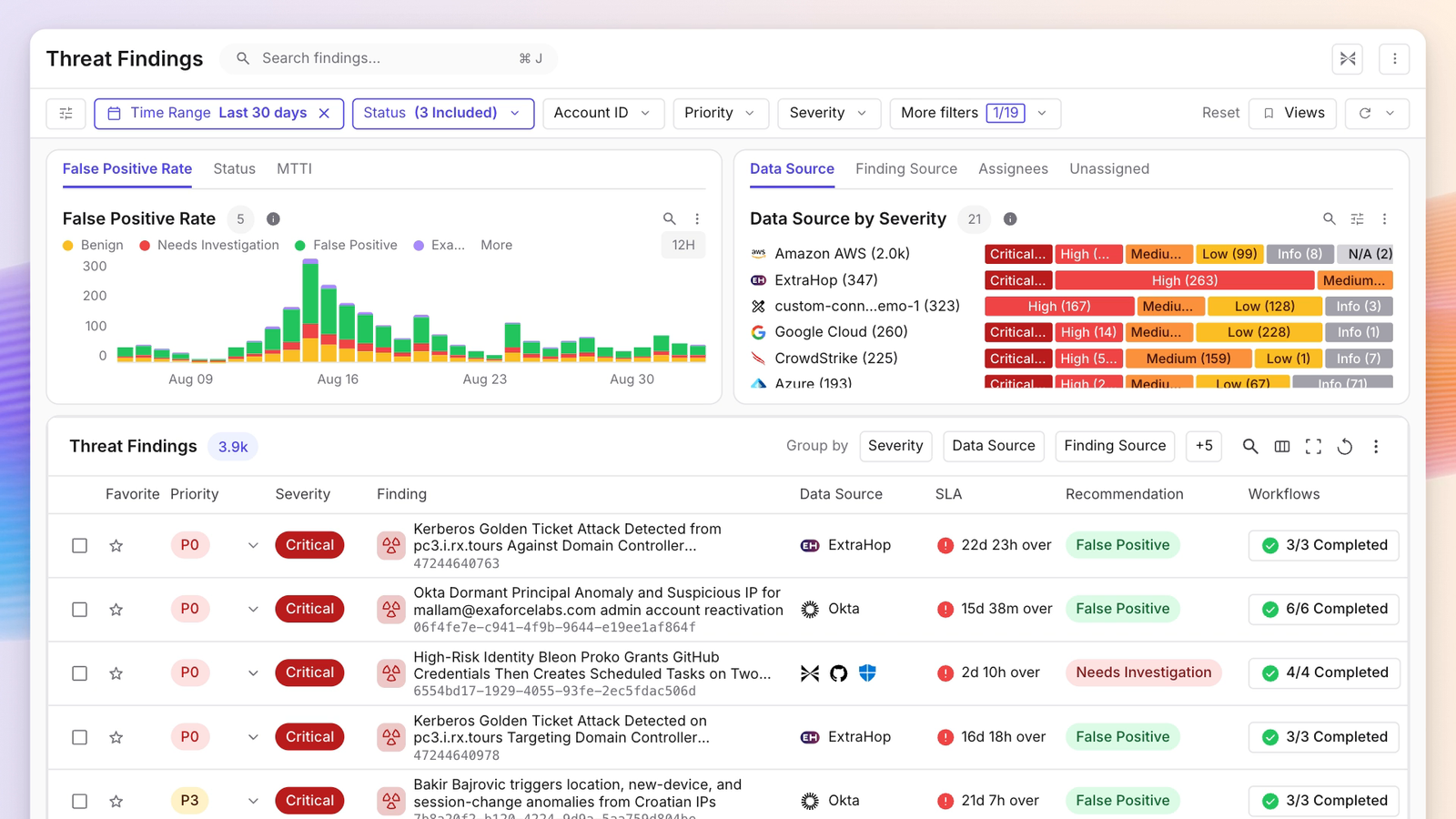
Challenges with IaaS threats
Exploding log volume
Cloud environments generate millions of logs daily, creating a data avalanche that buries critical security signals in noise, making manual analysis impossible and storage costs unsustainable.
Alert overload
Routine admin tasks and everyday engineer activity across public clouds trigger a flood of alerts, masking the few that truly matter.
Coverage blindspots
Development teams leverage new IaaS services faster than rules and traditional anomaly detection can keep pace, continuously creating coverage gaps.
Investigation complexity
Investigating a cloud attack requires reconstructing the attack path from scattered logs, identities, and configurations, demanding deep cloud expertise from talent that's already in short supply.
Exaforce cuts through cloud volume, leaving only real threats with full investigations.
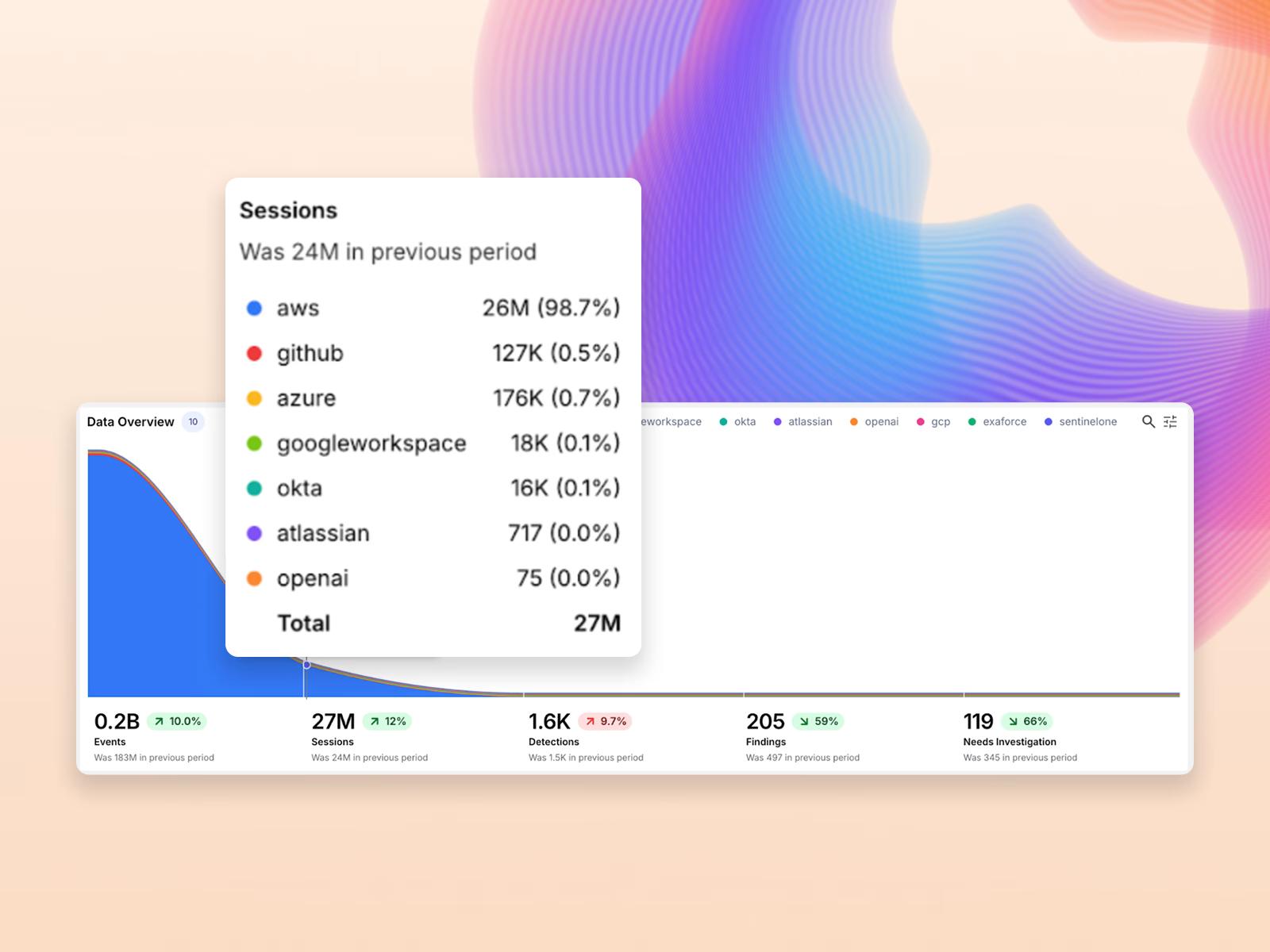
Handles cloud scale
Exaforce intelligently deduplicates and transforms cloud data to slash storage costs while surfacing exactly what Exabots and analysts need for rapid triage, investigation, and response.
Handles cloud scale
Exaforce intelligently deduplicates and transforms cloud data to slash storage costs while surfacing exactly what Exabots and analysts need for rapid triage, investigation, and response.
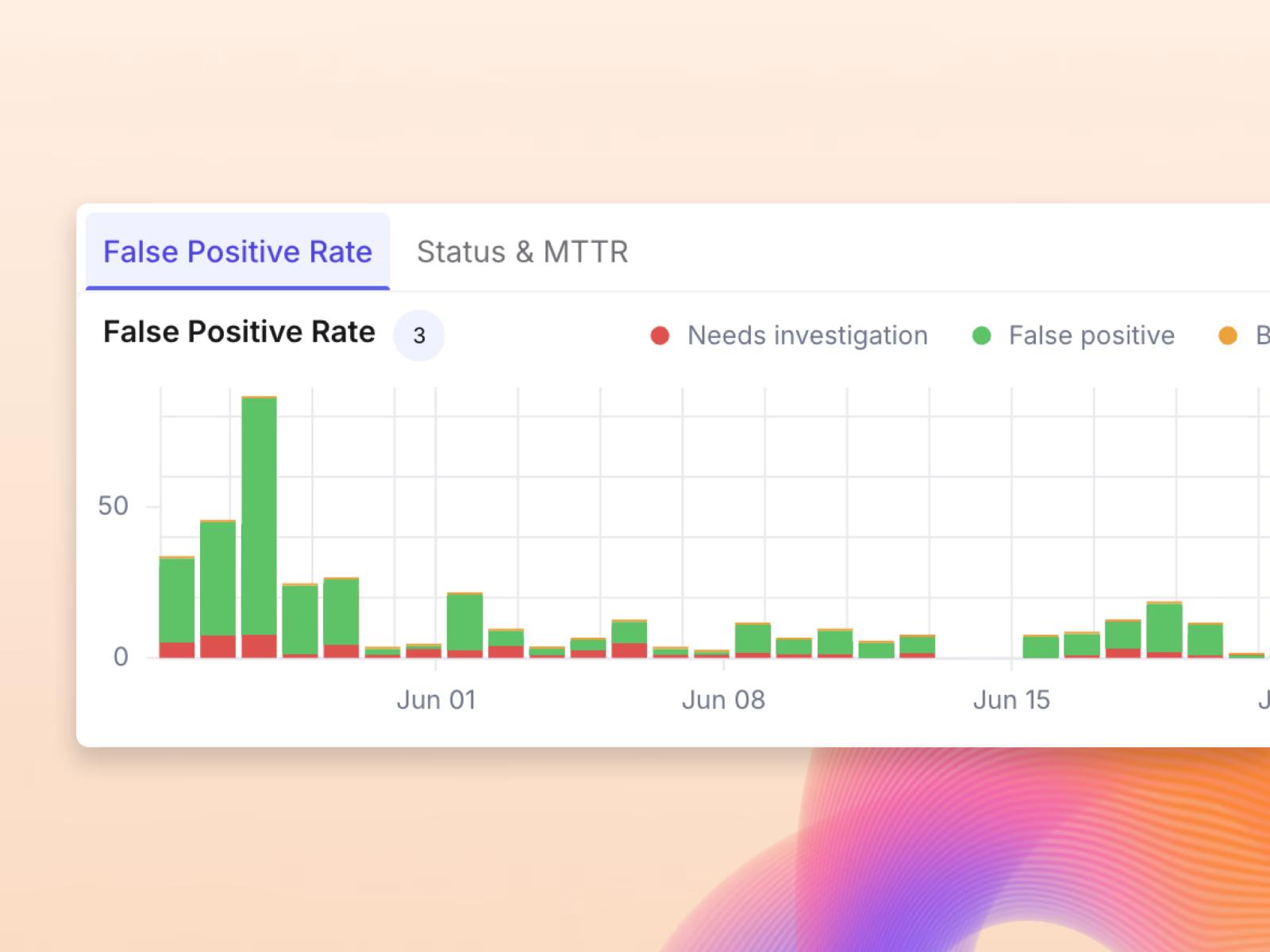
Reduced false-positive alerts
Cuts through the flood of alerts from everyday cloud activity, automatically dismissing false positives while escalating real threats that matter.
Reduced false-positive alerts
Cuts through the flood of alerts from everyday cloud activity, automatically dismissing false positives while escalating real threats that matter.
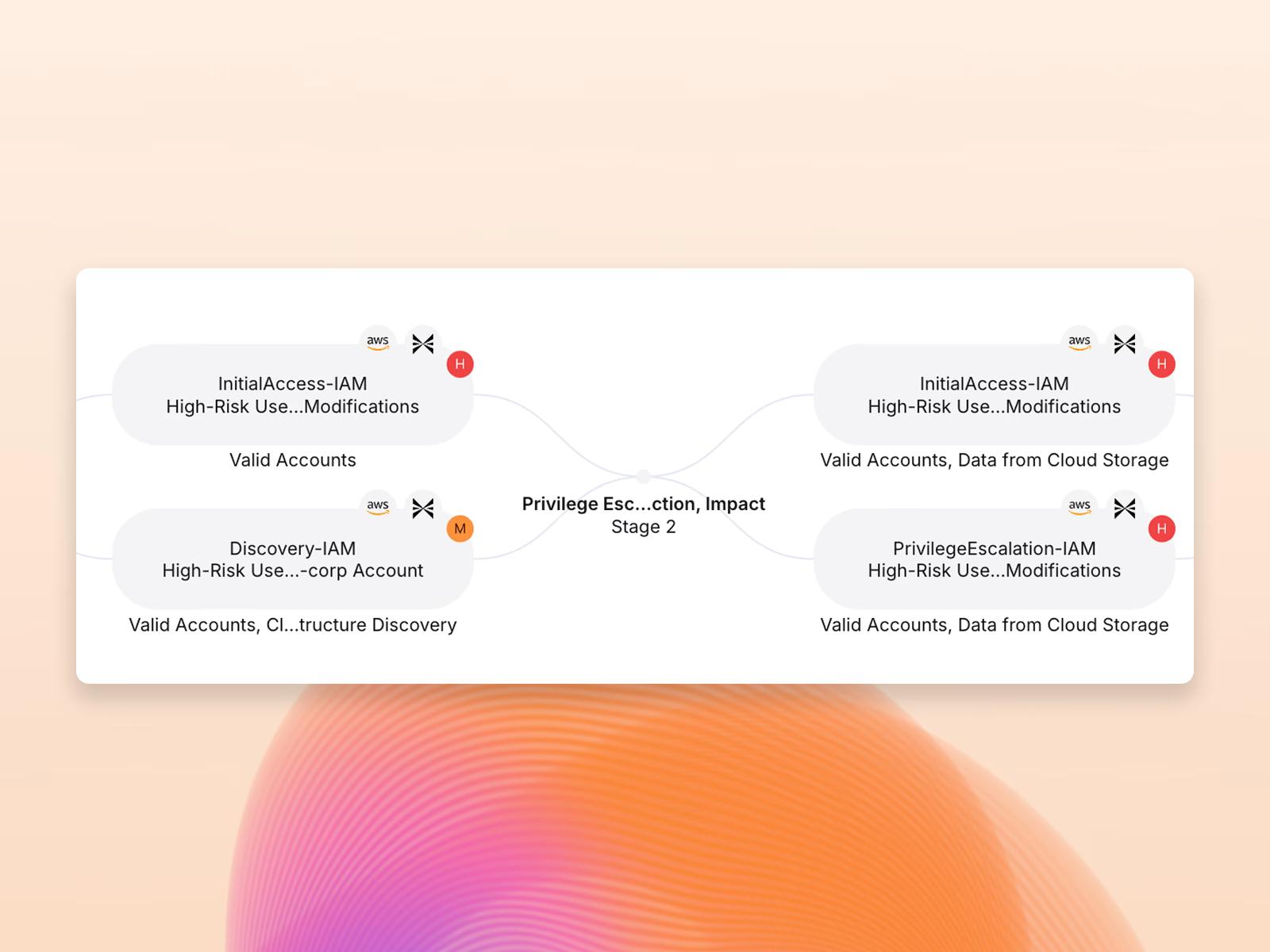
Detects what others miss
By stitching identities, events, and resource configurations (workloads, repositories, and more), across AWS, GCP, GitHub, and more, Exaforce uncovers blended attack paths that siloed rules overlook.
Detects what others miss
By stitching identities, events, and resource configurations (workloads, repositories, and more), across AWS, GCP, GitHub, and more, Exaforce uncovers blended attack paths that siloed rules overlook.
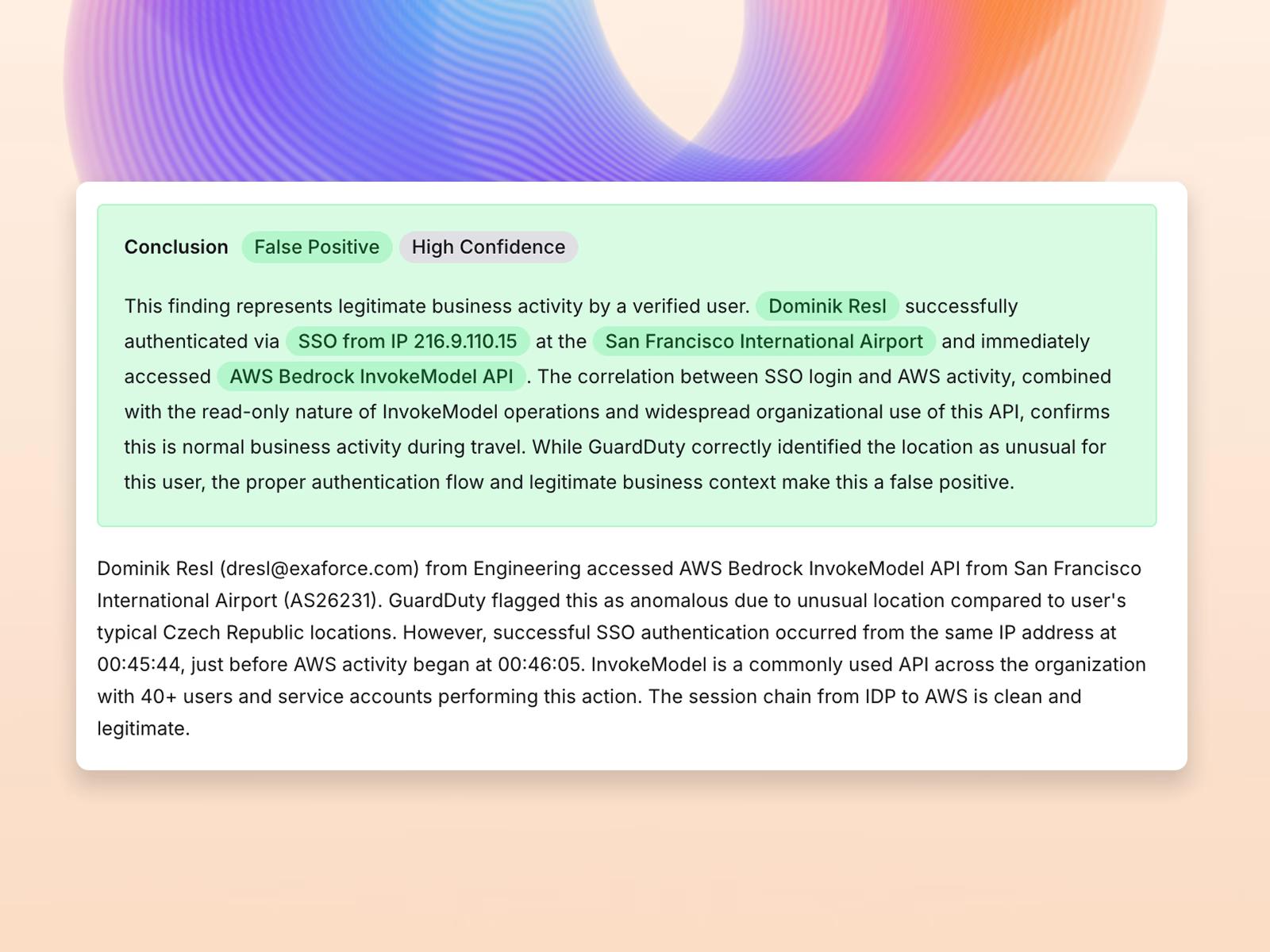
Simplify investigations
Exabots automatically reconstruct attack paths from scattered logs, identities, and configurations, delivering the deep cloud expertise your team needs without requiring specialized talent.
Simplify investigations
Exabots automatically reconstruct attack paths from scattered logs, identities, and configurations, delivering the deep cloud expertise your team needs without requiring specialized talent.
Accton
Exaforce has significantly improved our SOC efficacy by augmenting threat detection and response for AWS and Azure with AI. Its auto-triage of third-party alerts and rule-free detection streamlines our response and saves us dozens of hours, letting our team focus on mitigating threats, while their exploration capabilities offer greater visibility into all our Cloud services.

CISO & CIO at Accton
Frequently asked questions
How does Exaforce handle the massive log volume from cloud environments without breaking the budget?
How does Exaforce simplify investigations for teams without deep cloud expertise?
What types of cloud threats does Exaforce detect that traditional tools miss?
Related resources

Evaluate your AI SOC initiative
A maturity mapped question framework to benchmark AI SOC platforms on detection, triage, investigation, response, and service quality.

Webinar: “What is AI SOC” Anyway?
Cutting through the hype with James Berthoty (CEO & Principal Analyst, Latio) and Taylor Smith (Director of Product, Exaforce)
Latio AI Security Market Report 2025
Get actionable insights about the latest developments in AI security. Written for both security leaders and engineers, this report covers the state of the market, leading use cases, and what vendor innovations.