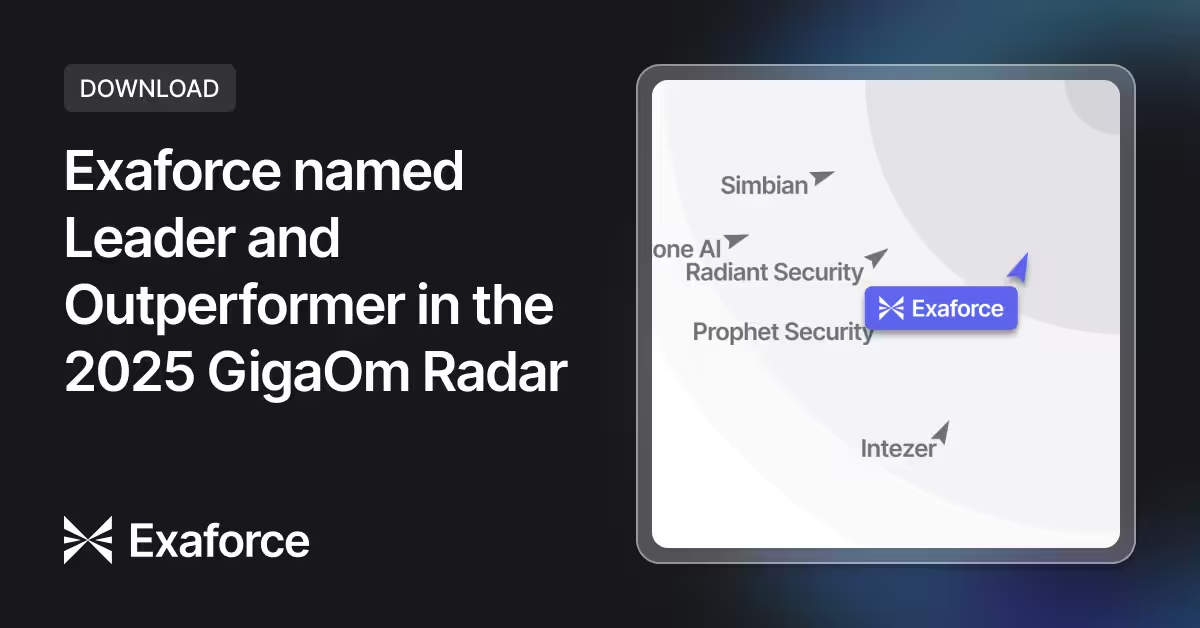
セキュリティオペレーションセンターは、アラートの洪水に埋もれ、手作業のプロセスに圧倒され、高度な脅威への対応に苦慮しています。従来のSIEM+SOARのアプローチではもはや対応しきれません。ここに登場するのが、 エージェント型SOCプラットフォームです。これは、検出、トリアージ、調査、対応を、専門アナリストレベルの精度で、マシン速度で自動化するAI駆動型ソリューションです。
この新たなカテゴリーの主要プラットフォームを分析し、お客様のセキュリティ運用に最適なものを見つけるお手伝いをします。2026年にエンタープライズセキュリティを変革するトップ5のエージェント型SOCプラットフォームをご紹介します。
1. Exaforce: 総合的に最高のエージェント型SOCプラットフォーム
最適な組織: 決定論的AIによる包括的なSOC自動化を求めるあらゆる規模の組織
主な差別化要因: LLMの限界を克服する独自のマルチモデルAIエンジン
Exaforceが群を抜く理由
Exaforceは、今日利用可能な最も包括的なエージェント型SOCプラットフォームとして際立っており、検出、トリアージ、調査、対応にわたるエンドツーエンドの自動化を提供します。大規模言語モデル(LLM)のみに依存する競合他社とは異なり、Exaforceはセマンティックデータモデル、行動分析、LLMを組み合わせた**カスタムマルチモデルAIエンジン**を構築し、一貫性があり、説明可能なセキュリティ結果を提供します。
実証済みの成果:
- SOCチームの生産性を10倍向上
- 誤検知を80%削減
- MTTR(平均対応時間)を70%改善
- 従来のSIEM+SOAR+MDRアプローチと比較してコストを50%削減
実世界での影響:
Equinix(Fortune 500企業)は、導入から24時間以内に不適切なサードパーティベンダーアクセスを検出しました。これは、既存のCNAPPおよびSIEMソリューションでは完全に検出できなかった脅威です。Commonwealth Fusion Systemsは、調査時間を数時間から数分に短縮し、セキュリティエンジニアリングチームで66%以上の効率向上を達成しました。
まとめ
Exaforceは、初めてSOCを構築する高成長スタートアップから、アナリストの生産性向上を目指すFortune 500企業まで、あらゆる規模の企業にセキュリティ運用を民主化します。独自のマルチモデルAIアーキテクチャは、純粋なLLMベースの競合他社では到底及ばない決定論的な結果をもたらします。
2. Torq: エンタープライズワークフロー自動化に最適
最適な組織: 複雑なセキュリティワークフローと既存のツール投資がある大規模企業
主な差別化要因: 優れた統合ポートフォリオとハイパーオートメーション機能
Torqの強み
このプラットフォームは、数百ものセキュリティツールを横断する複雑なワークフローのオーケストレーションに優れています。
強み:
- セキュリティ、IT、ビジネスツールとの500以上の事前構築済み統合
- ビジュアルオートメーションビルダー付きローコードワークフローデザイナー
- 数百万のイベント処理に対応するエンタープライズグレードのスケーラビリティ
制限事項:
Torqは、AIネイティブなアーキテクチャではなく、LLM機能を強化した従来のSOARアプローチに従っています。プレイブック生成用のデザインタイムLLMと基本的なコパイロットを提供するものの、Exaforceが提供する高度なAIエージェント機能やリアルタイムデータ相関機能は欠けています。調査と対応は、自律的な推論ではなく、依然として事前定義されたワークフローに大きく依存しています。
最適なユースケース:
成熟したSOCチームを持つ大規模企業で、広範なセキュリティツールスタック全体で既存のプレイブックとワークフローを自動化しようとしている場合。
3. Google SecOps (旧Chronicle): Google Cloud環境に最適
最適な組織: Google Cloud PlatformとGoogle Workspaceに多額の投資をしている組織
主な差別化要因: Googleのセキュリティエコシステムと脅威インテリジェンスとのネイティブ統合
Google SecOpsが提供するもの
Google SecOps(旧Chronicle)は、SIEM機能とGoogleの膨大な脅威インテリジェンスデータベース、クラウドネイティブアーキテクチャを組み合わせたものです。このプラットフォームはGoogleのインフラストラクチャを活用し、ペタバイト規模のセキュリティテレメトリ分析を行います。
強み:
- 追加のストレージコストなしで無制限のデータ保持
- VirusTotalとMandiantからのGoogle脅威インテリジェンス統合
- シームレスなクラウドセキュリティ監視のためのネイティブGCP統合
- Googleのインデックス技術を搭載した高速検索機能
制限事項:
Google SecOpsは強力なSIEMと基本的な自動化機能を提供するものの、次世代SOCプラットフォームを特徴づける高度なエージェント型AIアーキテクチャは欠けています。このプラットフォームは主にルールベースの検出と従来のプレイブック自動化に依存しており、自律型AIエージェントではありません。調査ワークフローには依然としてアナリストによるかなりの手作業が必要であり、真に自律的なセキュリティ運用を可能にするマルチモデルAI推論は提供していません。
Google SecOpsはデータ集約および検索プラットフォームとして最適に機能しますが、効果的に運用するにはかなりのアナリストの専門知識が必要となります。AI駆動型自動化によってアナリストの生産性向上を目指す組織は、専用のエージェント型SOCソリューションと比較して、このプラットフォームの機能が限定的であると感じるでしょう。
最適なユースケース:
Google Cloud PlatformとGoogle Workspaceにすでに標準化しており、無制限のログ保持が必要で、既存のエコシステム内でGoogleの脅威インテリジェンスを活用したい組織。
4. Tines: セキュリティエンジニアリングチームに最適
最適な組織: コードベースの自動化に慣れている技術チーム
主な差別化要因: 開発者フレンドリーなアプローチと優れたワークフローの柔軟性
Tinesが提供するもの
このプラットフォームは、自動化ロジックをきめ細かく制御したいセキュリティエンジニアにアピールします。
強み:
- 技術ユーザーに好評なストーリーベースのワークフロービルダー
- 優れたDevSecOps統合
- カスタムモデルのデプロイを可能にする強力なLLMモジュール性
制限事項:
Tinesを効果的に実装するにはかなりの技術的専門知識が必要です。このプラットフォームにはネイティブの脅威検出機能とコンテキストリスクスコアリングが欠けています。LLMベースのエージェントとコパイロットを提供するものの、真に自律的なセキュリティ運用を可能にするセマンティックデータレイヤーと行動分析は提供していません。
最適なユースケース:
コーディングスキルを持つセキュリティエンジニアリングチームで、カスタム自動化ワークフローを構築し、独自のツールスタックと統合するために最大限の柔軟性を求める場合。
5. Swimlane: 規制業界に最適
最適な組織: 金融、医療、政府機関など、コンプライアンス重視のSOC自動化を必要とする組織
主な差別化要因: 強力なケース管理と監査証跡機能
Swimlaneが提供するもの
Swimlaneは、従来のワークフローベースの自動化アプローチにAI機能を追加した、定評のあるSOARプラットフォームです。GigaOmは主要機能について4.0/5と評価しました。
強み:
- 堅牢なケース管理
- 規制環境向けのコンプライアンス重視の機能
- オンプレミスおよびエアギャップ環境を含む柔軟なデプロイオプション
- 実績のあるエンタープライズ導入実績を持つ成熟したプラットフォーム
制限事項:
SwimlaneのAI機能はまだ発展途上です(新機能の評価は2.5/5)。このプラットフォームは主にデザインタイムでLLMをプレイブック生成に利用しており、自律的な調査や対応のためではありません。高度な脅威検出とハンティングに必要なリアルタイムのデータ相関と行動分析が欠けています。
最適なユースケース:
規制業界(金融、医療、政府)の組織で、最先端のAI自動化よりもコンプライアンス、監査証跡、オンプレミスデプロイオプションを優先する場合。
比較概要
適切なエージェント型SOCプラットフォームの選び方
Exaforceを選ぶべき場合:
- 検出から対応まで、包括的なSOC自動化を求める
- 決定論的で説明可能なAIの意思決定が必要(LLMの「ブラックボックス」だけでなく)
- SOCをゼロから構築している、または既存の小規模チームを拡大している
- 検出範囲を改善しながらSIEMコストを削減したい
- SaaSプラットフォームとMDRサービスの両方のオプションが必要
Torqを選ぶべき場合:
- 成熟したSOCを持ち、広範な既存ツール投資がある
- 数百の統合にわたって複雑なワークフローをオーケストレーションする必要がある
- AIで強化された従来のプレイブックベースの自動化を好む
- エンタープライズ規模の処理要件がある
Google SecOpsを選ぶべき場合:
- Google Cloud PlatformとGoogle Workspaceに標準化している
- ストレージコストの懸念なしに無制限のログ保持が必要
- Googleの脅威インテリジェンスとVirusTotalデータを活用したい
- Googleのセキュリティエコシステム内で運用したい
- 経験豊富なアナリストが手動の調査ワークフローを処理できる
Tinesを選ぶべきなのは、次のような場合です。
- 社内に強力なセキュリティエンジニアリング能力がある
- 最高の柔軟性とコードレベルでの制御を求める
- 既製のソリューションよりもカスタム自動化を構築したい
- 開発者向けのツールやコミュニティで共有されるワークフローを重視する
Swimlaneを選ぶべきなのは、次のような場合です。
- 規制の厳しい業界で事業を行っている
- オンプレミスまたはエアギャップ環境でのデプロイオプションが必要
- 最先端のAIよりも監査証跡とコンプライアンスを優先する
- 成熟した実績のあるプラットフォームと確立されたベンダーサポートを求める
結論:ExaforceがエージェンティックSOC革命をリードする
各プラットフォームにはそれぞれの強みがありますが、AIによるセキュリティ運用変革を真剣に考えている組織にとって、Exaforceは明確なリーダーとして際立っています。その理由は次のとおりです。
1. アーキテクチャの優位性
Exaforceは、セキュリティの文脈におけるLLMの根本的な限界(リアルタイムデータ処理、大規模で永続的なコンテキスト、レイテンシ/コストの制約、推論の一貫性)を克服するために専用に構築されたマルチモデルAIエンジンを搭載した唯一のプラットフォームです。LLMのみ、または従来のルールベースのアプローチに依存する競合他社は、この技術的基盤に匹敵することはできません。
2. 包括的なカバレッジ
脅威検出からトリアージ、ハンティング、対応まで、Exaforceは統合プラットフォームを通じてエンドツーエンドのSOC自動化を実現します。競合他社が提供するのは、ポイントソリューション、ワークフローオーケストレーション、またはデータ集約であり、真の自律型セキュリティ運用ではありません。
3. 実証済みのエンタープライズ実績
EquinixのようなFortune 500企業やFortune 2000の製造業は、主要なCNAPPおよびSIEMソリューションが見逃す脅威をExaforceが検出する能力を実証し、調査時間を数時間から数分に短縮しました。
4. デプロイの柔軟性
チームを強化するためのSaaSプラットフォームが必要な場合でも、24時間365日のカバレッジのためのフルマネージドMDRが必要な場合でも、Exaforceは組織の成熟度とリソースの制約に適応します。
5. 経済的価値
従来のSIEM+SOAR+MDRアプローチと比較して50%のコスト削減と10倍の生産性向上を謳うExaforceは、初日から測定可能なROIを提供します。
エージェンティックSOCプラットフォーム市場はまだ発展途上ですが、Exaforceは技術革新、実証済みの顧客成果、そしてあらゆる規模の組織にセキュリティ運用を民主化する包括的な機能を通じて、カテゴリーリーダーとしての地位を確立しました。